Key Considerations When Forming a Business Entity
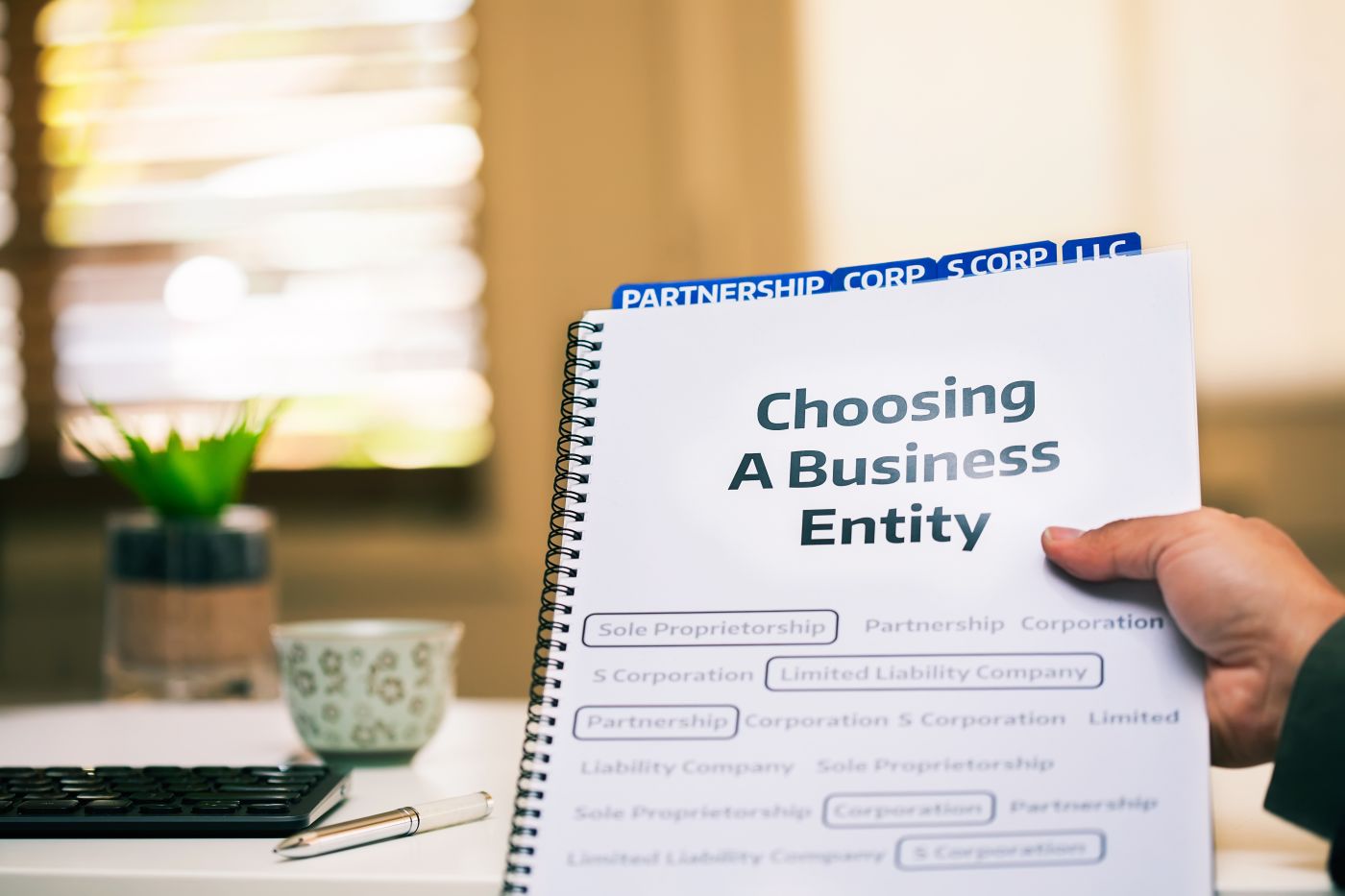
Starting a new business is an exciting milestone, but it can also be nerve-wracking. When you have poured your heart, soul, and hard-earned savings into a vision, it is normal to feel challenged by the process of forming a business entity.
At Keegan & Keegan, Ross & Rosner, our attorneys understand how much your business means to you, and we are committed to helping you make your business a reality. We can help you handle the paperwork, logistics, and other critical considerations so you can focus on developing your passion.
From our office in Patchogue, New York, we serve clients throughout Long Island. Reach out to us today to schedule a consultation and explore how we can help you get your business started on the right foot.
One of the most critical elements of forming a business is determining how much personal financial risk you’re willing to take on. Different structures offer different levels of protection for your personal savings, home, and vehicles if things go wrong.
If you choose a structure that doesn’t separate your personal identity from your company, you could be held personally responsible for company debts and lawsuits. For instance, a slip-and-fall accident on your commercial property could jeopardize your personal wealth if your structure is weak. When weighing your protection options, you should look closely at how different setups shield your private life:
Sole proprietorships offer no separation: This setup treats you and your company as one and the same legal person, meaning your personal assets are fully exposed to your business losses.
Limited liability companies create a shield: This structure sets up a distinct legal wall, meaning creditors generally cannot come after your personal bank accounts or assets for company debts.
Corporations provide strong boundaries: Similar to an LLC, a corporation acts as an independent entity, keeping your personal investments safe from company liabilities.
Securing your personal assets should always be a top priority when you begin forming a business entity. Making the wrong choice now can have devastating financial consequences down the road, so take the time to weigh these risks carefully before selecting a business structure.
How you structure your company changes how the government collects taxes from your revenue. Every structure has its own set of tax codes, filing requirements, and potential advantages that will directly affect your bottom line.
Some setups allow profits to flow straight to your personal tax return, while others tax the company independently. It is vital to look at your projected revenue and decide which method keeps more money in your pocket.
Pass-through taxation prevents double dips: With sole proprietorships, partnerships, and LLCs, the company profits go straight to your personal return, so you only pay income tax once.
Corporate tax rates stand alone: Traditional corporations face a flat corporate tax rate, but this can result in double taxation when dividends are paid to shareholders.
Self-employment taxes add up: Some structures require you to pay self-employment taxes on all net earnings, while others let you take a salary and reduce that specific tax burden.
Finding the sweet spot between tax savings and operational freedom is a core part of forming a business entity. Reviewing these financial obligations early prevents surprise bills when tax season rolls around.
As your company grows, you will require a clear blueprint for who makes the daily decisions and how major disagreements get resolved. Without clear guidelines, internal disputes can stall your progress or even ruin the company completely.
Different entities require varying levels of oversight formality. You must decide whether you want to run the show entirely on your own or share the steering wheel with partners and investors.
Single-owner control keeps things fast: If you prefer total autonomy, a sole proprietorship or single-member LLC lets you make calls without discussing options with a board.
Partnership agreements outline shared duties: When working with co-founders, you will typically need a written contract detailing who manages daily operations and how you divide profits.
Corporate boards establish formal governance: Corporations require a strict setup with shareholders, directors, and officers, which keeps operations organized but adds administrative steps.
Establishing these roles clearly from day one is a significant step in forming a business entity. It keeps everyone on the same page and gives you a roadmap to resolve conflicts before they hurt your bottom line.
Your choice of structure will impact your ability to secure loans, attract outside investors, or eventually sell the company. If you have big dreams of expanding, you will need a foundation that can handle that growth.
Venture capitalists and banks will consider your legal setup before they ever hand over a check. If your structure is too informal, they will likely view your venture as too risky for their capital.
Traditional banks prefer formal setups: Lenders are far more comfortable issuing business loans to established LLCs or corporations than to unincorporated individuals.
Investors demand corporate stock: If you want to raise money from angel investors or venture capitalists, they usually require you to issue shares, which means a corporation is your best bet.
Transferring ownership needs a clean process: Selling a corporation or LLC is relatively straightforward, whereas transferring a sole proprietorship means selling off individual assets one by one.
Thinking about your long-term exit strategy is essential when forming a business entity. Setting up the right structure today saves you from the headache of changing your legal setup later when an investor is waiting. Our experienced New York business lawyers for guidance on forming your business entity and setting it up for success.
Taking the first step toward entrepreneurship can feel challenging, but you don’t have to carry that weight alone. Your business deserves a strong foundation, and our firm is dedicated to helping you protect everything you’re working so hard to build. We will listen to your goals, break down your options, and help you choose the path that sets you up for lasting security.
At Keegan & Keegan, Ross & Rosner, our attorneys love seeing local businesses thrive. From our office in Patchogue, New York, we serve clients throughout Long Island. Reach out to us today to schedule your consultation and learn how our team can help you build your business with confidence.